
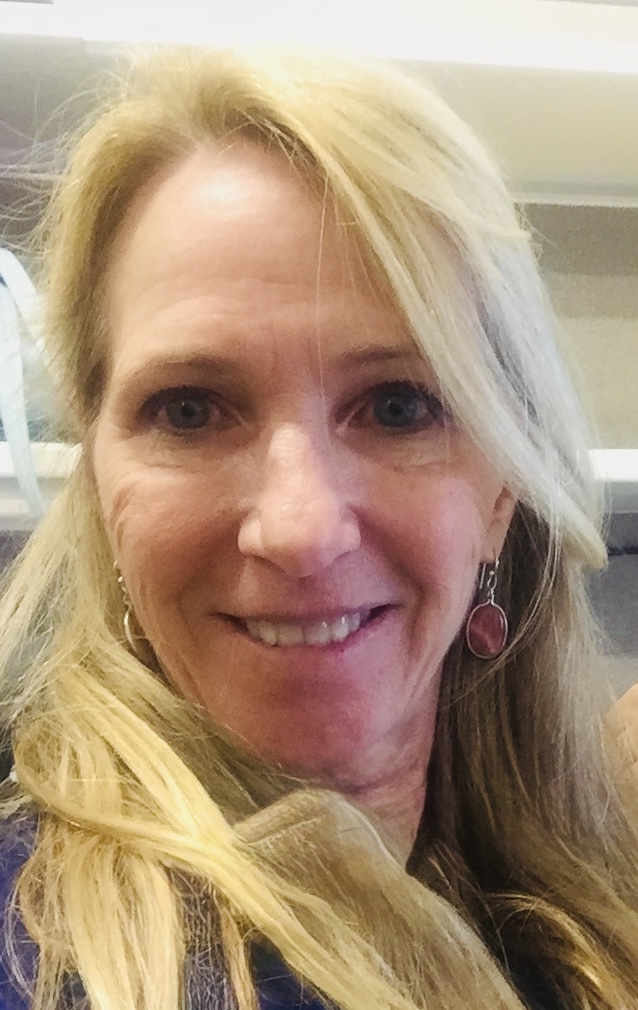
Lou Reilly, RN
My Story
My name is Lou, and my journey with osteoporosis is both professional and deeply personal. I am active 67 years old and a registered nurse with over 16 years of clinical experience, including work at Mayo Clinic in Phoenix and Johns Hopkins in Washington, DC. My background spans oncology, hospice, and preoperative care, with a strong focus on patient education and orthopedic preparation.
For years, I approached bone health clinically—until I was diagnosed with osteoporosis and osteopenia in 2021. Despite my medical background, I found the diagnosis overwhelming and realized how limited and rushed many treatment discussions can feel. I wanted to be an active participant in my care, not a passive recipient.
So I did what nurses do—I learned. I immersed myself in research, explored both conventional and complementary approaches, and gained a deeper understanding of the many factors that influence bone health.
This website exists to share that knowledge. My goal is to provide clear, balanced information that empowers you to make informed decisions and feel supported on your bone health journey.

Start now
Why We Care About Women’s Bone Health
Peak bone mass is reached by age 30, then gradually declines—especially after menopause. Thebestbones.com was founded to help women make informed choices for stronger bones, healthier aging, and osteoporosis prevention.
We provide science-backed education and practical strategies so you can take charge of your bone health at any stage of life.
Warm and empowering
I believe knowledge is empowering. Everything I share is based on research, clinical experience, and ongoing education to help you make informed choices about your bone health
Trusted Resource
From nutrition to exercise, our resources are designed for real women seeking real results.
★★★★★
“Thanks to thebestbones.com, I finally understand what it takes to keep my bones strong. The advice is practical, science-backed, and truly empowering!”

Linda M.
Community Member
Women’s Health Advocate
Ready to Take Charge?
Start Your Stronger Bones Journey Today
Discover actionable tips, nutrition guidance, and exercise routines for lifelong bone health
Simple and consistent
Tips for Keeping Your Bones Healthy
- Focus on Bone-Supporting Nutrition
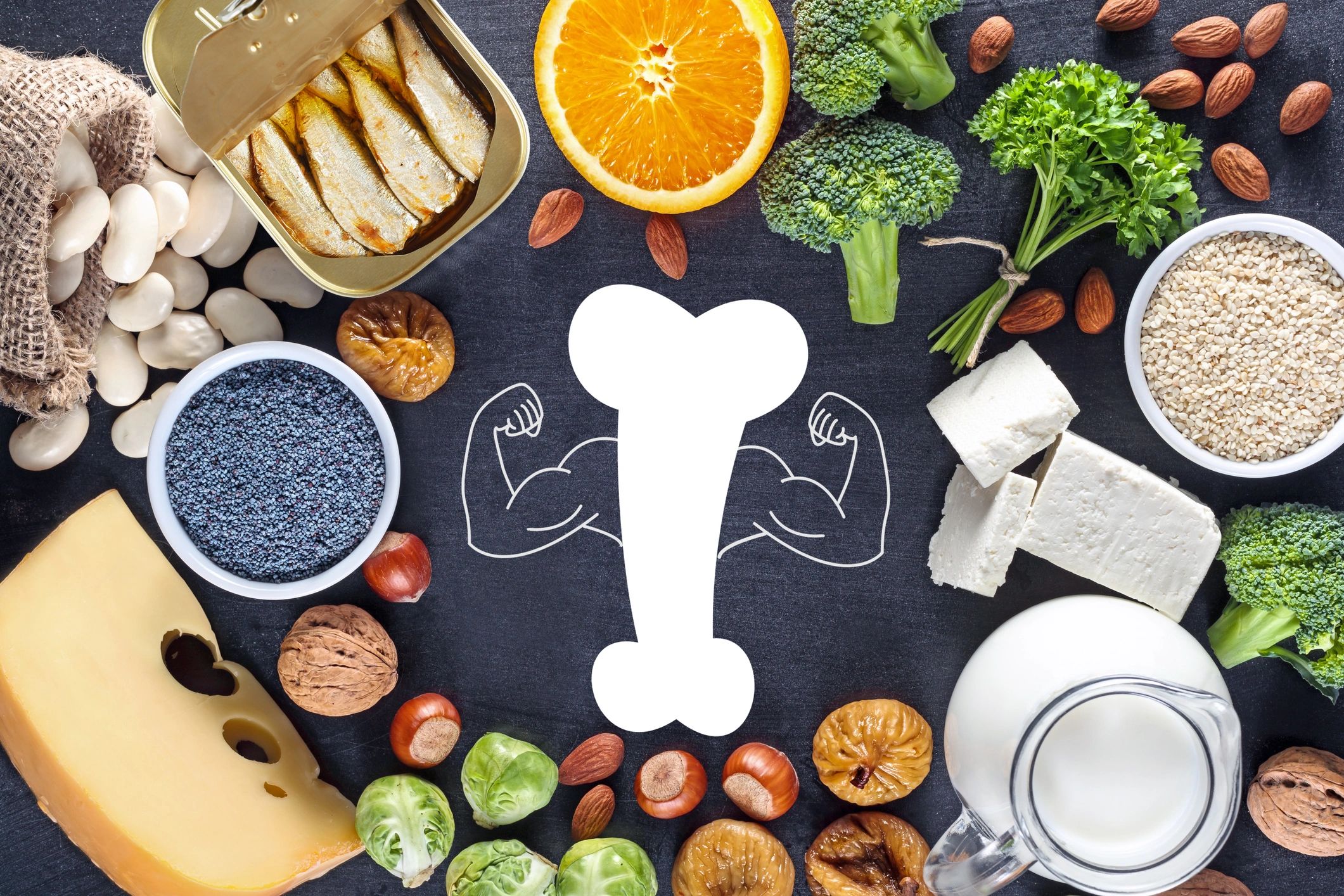
Adequate calcium, vitamin D, protein, magnesium, and vitamin K all play important roles in bone health. A balanced diet that includes whole foods such as leafy greens, dairy or fortified alternatives, fish, nuts, seeds, and lean proteins helps support bone strength. - Get Your Vitamin D Levels Checked
Vitamin D is essential for calcium absorption. Many adults, especially older adults, are deficient. Ask your healthcare provider about checking your vitamin D level and whether supplementation may be appropriate for you. - Engage in Weight-Bearing Exercise
Activities such as walking, stair climbing, dancing, and resistance training help stimulate bone formation and maintain bone density. Even moderate, consistent movement can make a meaningful difference. - Incorporate Strength and Balance Training
Strong muscles support your bones and help prevent falls. Balance exercises—such as tai chi, yoga, or simple stability movements—can reduce fall risk and improve confidence with daily activities. - Avoid Smoking and Limit Alcohol
Smoking accelerates bone loss, and excessive alcohol intake interferes with bone remodeling and increases fracture risk. Limiting or avoiding these can positively impact bone health. - Pay Attention to Posture and Body Mechanics
Good posture and proper movement techniques help protect the spine and joints, especially if you have osteoporosis. Learning safe ways to bend, lift, and move can reduce the risk of fractures. - Review Medications with Your Provider
Some medications can contribute to bone loss or increase fall risk. Periodically reviewing your medications with your healthcare provider can help identify potential concerns. - Maintain a Healthy Body Weight
Being underweight can increase fracture risk, while maintaining a healthy weight provides support for bone density and overall health. - Prevent Falls at Home
Simple changes such as removing loose rugs, improving lighting, wearing supportive footwear, and using handrails can significantly reduce fall risk. - Stay Informed and Ask Questions
Bone health is complex, and recommendations may change as research evolves. Educating yourself and having open conversations with your healthcare team empowers you to make informed decision.